
Why Good Design Isn't Enough for Social Media?
Why a beautiful social media post can still fail to get attention, engagement, or results.
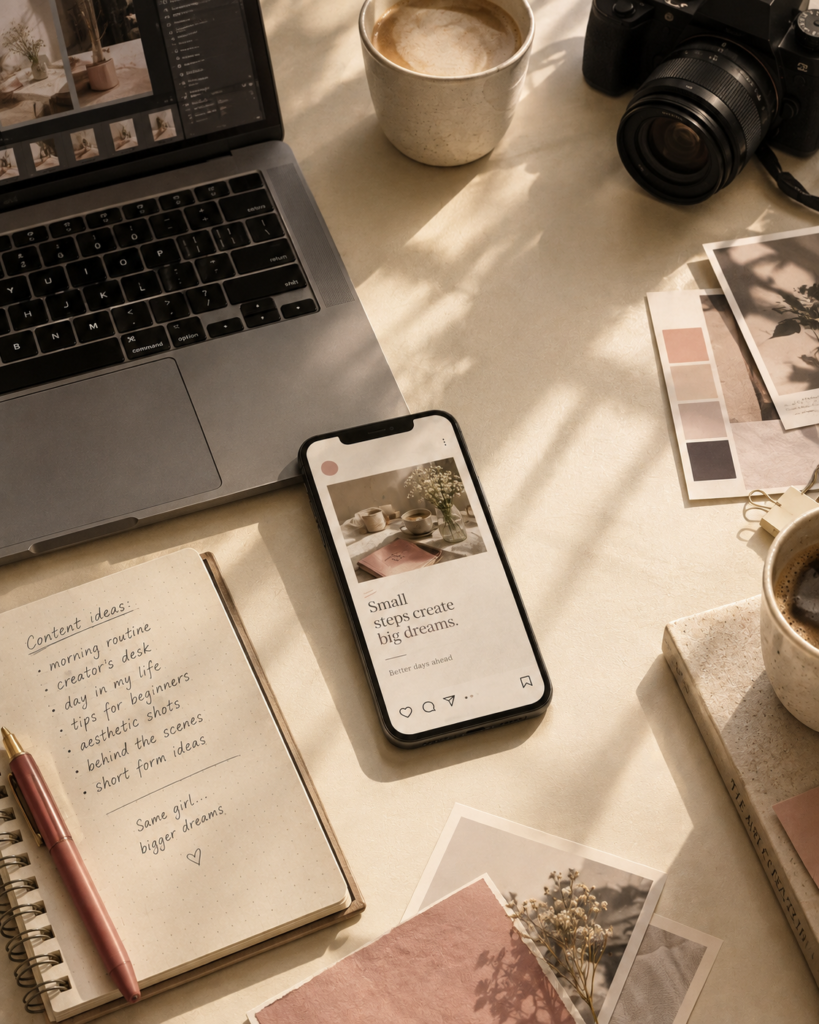
In a world where social media feeds are filled with polished visuals, beautiful typography, carefully edited videos, and perfectly curated brand identities, standing out is becoming harder.
A well-designed post can definitely catch someone’s eye. But does it make them stop? Does it make them read? Does it make them remember your brand?
Not always.
That’s because good design is only one part of effective social media content.
A post can look beautiful and still fail to communicate anything meaningful. On the other hand, a simple design with a strong idea can capture attention, start conversations, and encourage people to share it.
So, what makes social media content actually work?
The answer lies somewhere between design, content, psychology, and strategy.
Design Gets Attention, But the Message Keeps It
The first job of design is to make someone pause.
When people scroll through social media, they are constantly being exposed to new information. Your visual has only a short moment to compete for their attention. That’s where design matters.
Colour, contrast, typography, composition,imagery, spacing, and visual hierarchy can all influence whether someone notices your post.
But getting someone to stop scrolling is only the beginning.
Imagine seeing a beautifully designed post with the headline:
“5 Social Media Tips.”
It might look professional, but there isn’t much curiosity attached to it.
Now imagine a much simpler post that says:
“Posting Every Day Won’t Fix Your Social Media Strategy.”
Suddenly, there’s a reason to keep reading.
You want to know why.
That’s the difference between looking good and communicating effectively.

Aesthetic Isn't a Strategy
Before choosing fonts, colours, and templates, decide what your content is trying to achieve.
One of the easiest mistakes to make when creating social media content is focusing on aesthetics before thinking about the purpose.
It’s tempting to start with a Canva template, choose a trendy font, add a few nice colours, and make everything visually pleasing.
But before opening your design tool, ask one simple question:
What is this content supposed to do?
Is it supposed to educate?
Entertain?
Build trust? Promote a product? Generate leads? Start a conversation? Build brand awareness? The answer should influence the design.
For example, an educational carousel needs clear information and easy navigation. A promotional post needs a strong value proposition and an obvious next step. A brand awareness post might focus more heavily on visual consistency and memorability.
When the purpose is clear, design becomes more intentional.
You’re no longer decorating a post.
You’re communicating through it.
People Don't Scroll for Your Design
Your audience isn’t looking for perfect typography. They’re looking for something relevant to them.
This might sound a little harsh, but people don’t open social media because they want to admire your typography.
They’re looking for something.
An idea.
An answer.
Entertainment.
Inspiration.
A solution.
Or simply something that makes them feel something.
That’s why relevance matters just as much as aesthetics.
A beautifully designed post that doesn’t solve a problem or offer something interesting may be forgotten almost immediately.
A story.
Meanwhile, a simple post that answers a question someone genuinely has can be saved, shared, or sent to a friend.
The goal isn’t to make design less important.
It’s to make design serve the content.
The Hook Comes Before the Design
A strong idea can make a simple design more powerful than a beautiful design with no clear message. One of the most important parts of social media content is the hook.
Your hook is what gives someone a reason to continue. It could be a question, a surprising statement, a relatable problem, a bold opinion, or a promise of useful information.
Compare these two headlines:
“Social Media Marketing Tips for Beginners”
and
“You’re Probably Making Social Media Harder Than It Needs to Be.”
The second one creates curiosity. And curiosity creates attention. This is why I believe the idea should come before the design.
First, decide what you want to say. Then figure out why someone should care. Only after that should you decide how to present it visually.
Strategy Gives Design Direction
Design becomes more powerful when every visual decision has a reason behind it.
Good design and good strategy aren’t opposites.
They work together.
A strategist asks: “What should we communicate?”
A designer asks:“How can we communicate it visually?”
A content creator asks: “How can we make people care?”
When these questions are considered together, the result is much stronger. Your headline becomes intentional. Your colours support the message. Your imagery has a purpose. Your layout guides the viewer. Your call-to-action feels natural.
Every element starts working towards the same goal.

Good Design + Good Content + Good Strategy
The strongest social media content usually sits at the intersection of three things:
DESIGN makes people notice.
CONTENT gives them something worth consuming.
STRATEGY gives the content a direction.
Remove design, and your content may struggle to get attention. Remove content, and there may be nothing worth engaging with. Remove strategy, and even great content can struggle to achieve a meaningful goal.
That’s why social media isn’t simply about making attractive posts.
It’s about creating communication that has a purpose.
What I'm Learning?
Creating content has taught me that aesthetics are important — but intention matters more.
As I continue exploring digital marketing, graphic design, content creation, and video editing, one lesson has become increasingly clear to me:
Aesthetic isn’t the strategy.
A beautiful design is valuable. It can create a strong first impression and help a brand look professional.
But design alone cannot fix an unclear message.
It cannot make irrelevant content valuable.
And it cannot replace a thoughtful strategy.
The best social media content combines creativity with intention.
It makes people stop.
It gives them a reason to stay.
And ideally, it gives them a reason to remember

Don’t just ask whether your content looks good. Ask whether it communicates.
So the next time you create a social media post, don’t ask only:
“Does this look good?”
Ask:
“Does this communicate?”
Ask whether the message is clear.
Ask whether your audience will care.
Ask whether the content has a purpose.
And then use design to make that message stronger.
Because on social media, the most effective design isn’t always the prettiest one.
It’s the one that makes the right person stop, understand, connect — and care.
1. Is good design enough to make social media content successful?
No. Good design can grab attention, but successful social media content also needs a clear message, strong hook, relevant content and a specific purpose.
2. Why can a beautiful social media post still perform poorly?
A post can look visually appealing but still fail if the message isn’t clear, the content isn’t relevant to the audience, or there is no reason for people to stop, engage or take action.
3. What matters more than aesthetics on social media?
A combination of relevance, clarity, content and strategy matters more than aesthetics alone. The design should support the message rather than become the entire message.
4. How does strategy improve social media design?
Strategy gives design a direction. It helps determine who the content is for, what the brand wants to communicate, what action the audience should take and which visual choices will support that goal.
5. What should I consider before designing a social media post?
Before choosing fonts, colours or layouts, define the purpose, target audience, key message and desired action. Once these are clear, the design can be created around them.
6. What makes a social media post effective?
An effective post combines good design, valuable content and a clear strategy. It should catch attention, communicate quickly, connect with the right audience and give them a reason to engage or act.