
Why a beautiful social media post can still fail to get attention, engagement, or results.
You are posting regularly. So why isn’t your content getting the results you expected?

“Be consistent” is probably one of the most common pieces of advice given to anyone trying to grow on social media.
And consistency does matter.
Posting once and disappearing for three weeks probably won’t help you build a strong presence. But there is something people often forget:
Consistency cannot fix content that has no clear direction.
You can post every day, follow trends, create beautiful graphics and spend hours editing reels — and still feel like nothing is happening.
So, what could actually be going wrong?
You're Consistent, But Not Clear
One of the biggest problems with social media content is a lack of clarity.
You might be posting regularly, but what is your account actually about?
If one post is about marketing, the next is a random trend, the next is a motivational quote and the next is a product promotion, your audience may struggle to understand what they should expect from you.
Consistency isn’t just about frequency.
It is also about consistency in your message, positioning and purpose.
Your audience should gradually understand what you talk about, what you offer and why they should follow you.

You're Creating Content Without a Goal
Not every post needs to sell something.
But every piece of content should have a reason for existing.
Before creating a post, ask: What do I want this content to do?
Do you want to educate?
Start a conversation?
Build trust?
Increase awareness?
Get saves and shares?
Drive people to your website?
Generate enquiries?
Without a goal, content can easily become something you post simply because you feel like you need to post.
And when every post is created just to “stay active,” your content can start feeling repetitive and disconnected.
You're Talking About Yourself Too Much
This is especially common for brands and creators.
Your audience doesn’t always care about what you want to say.
They care about what is useful, interesting, relatable or relevant to them
Instead of constantly saying: “Here is what we offer.”
Try asking: “What does my audience need to know?”
Instead of only showcasing your product, explain the problem it solves.
Instead of simply announcing your service, show how it can make someone’s life easier.
Instead of telling people you’re good at something, demonstrate it through your content.
Good content doesn’t just talk at an audience.
It gives the audience a reason to care.

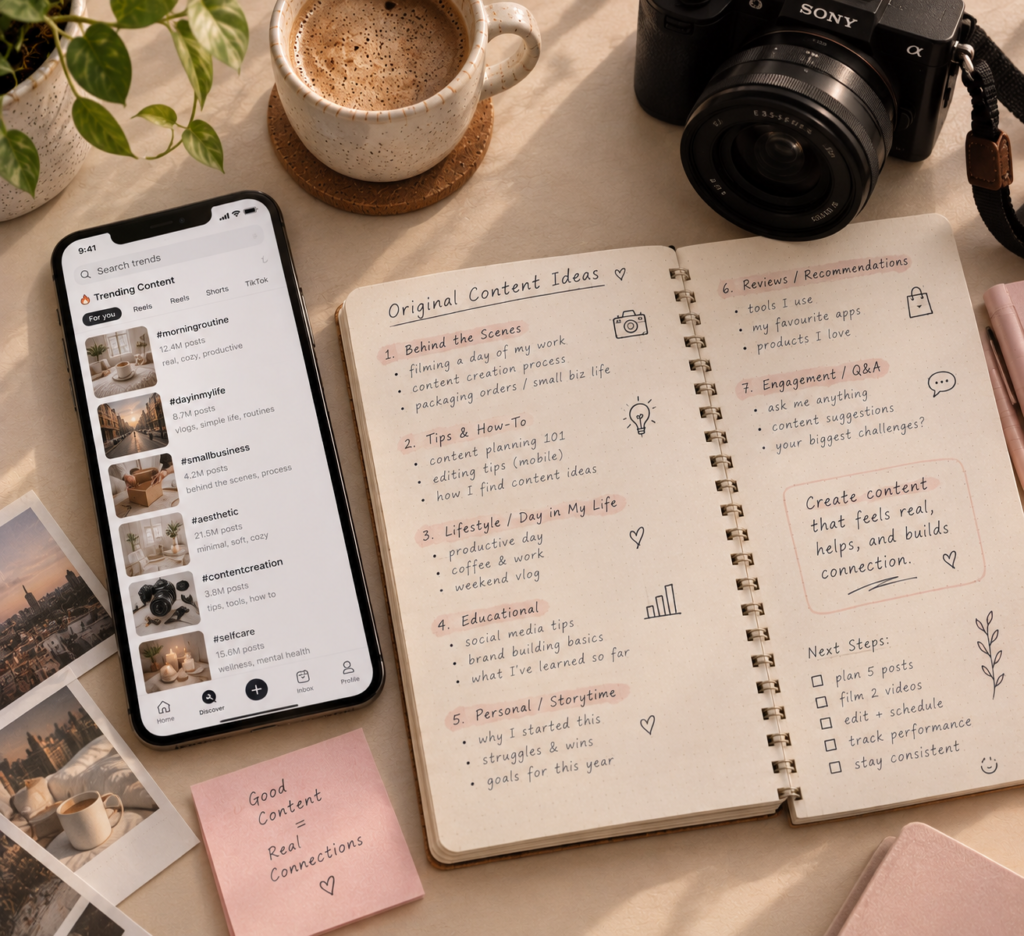
You're Following Trends Without Adding Your Own Idea
Trends can be useful.
A trending audio, format or content style can help your content feel current. But copying a trend without understanding why you’re using it won’t automatically make your content effective.
The trend should support your message — not replace it.
For example, a digital marketing brand can use a trending reel format to explain a marketing mistake.
The trend gets attention.
The information provides value.
The brand becomes memorable.
That’s much stronger than using a trending audio simply because everyone else is using it.
Don’t just follow trends. Give them a purpose.
Your Hooks Aren't Strong Enough
People scroll quickly.
You may have created an incredibly useful piece of content, but if the first few seconds or first line doesn’t create enough curiosity, people may never reach the valuable part.
A weak opening might say: “Here are some social media tips.”
A stronger one could be: “You’re posting consistently. That’s not the problem.”
The second creates curiosity.
It makes the viewer wonder:
Then what is the problem?
A good hook doesn’t need to be loud or clickbait.
It simply needs to give people a reason to keep going.
Your Content Looks Good, But Says Very Little
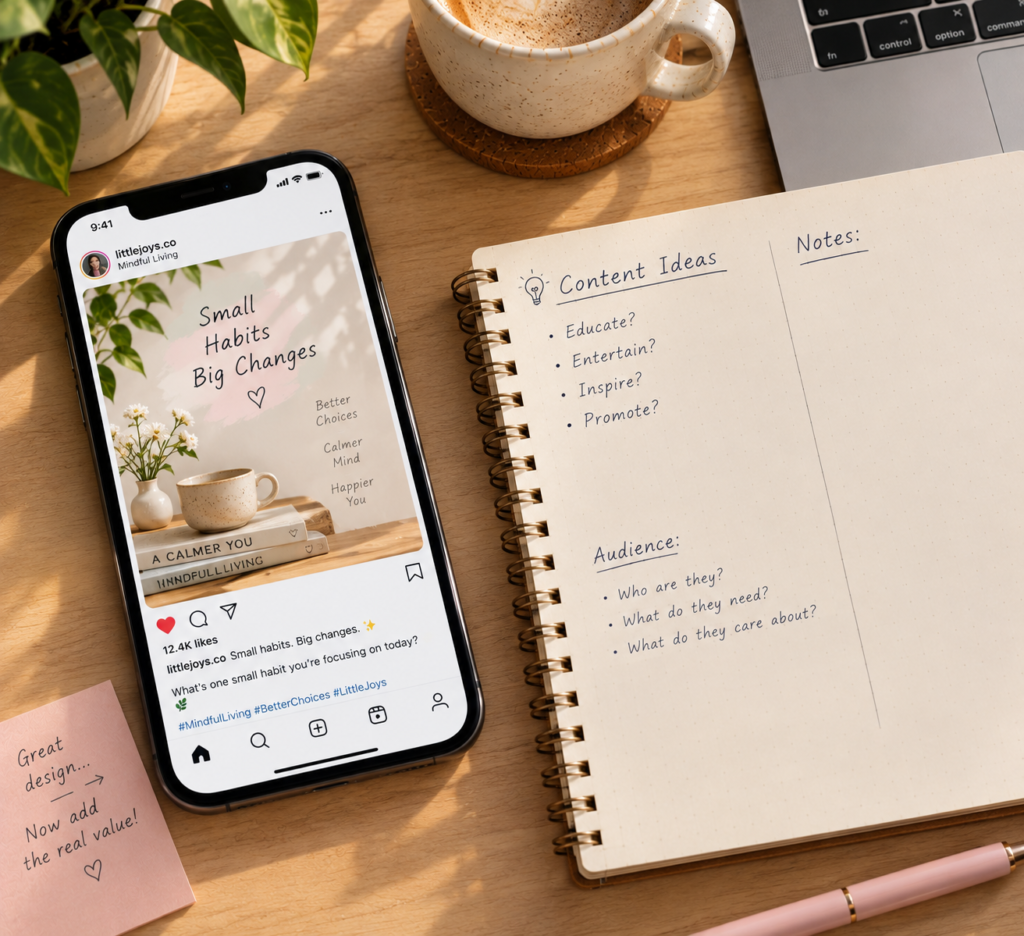
Beautiful content can definitely help stop the scroll.
But aesthetics cannot replace substance.
A polished graphic with a vague message is still vague.
A beautifully edited reel without a clear story is still difficult to follow.
Your visuals should support your message, not hide the absence of one.
Before asking whether your post looks good, ask: “Can someone understand the point within a few seconds?”
If the answer is no, the design may need to become simpler and the message stronger.
You're Not Giving Your Audience a Reason to Engage
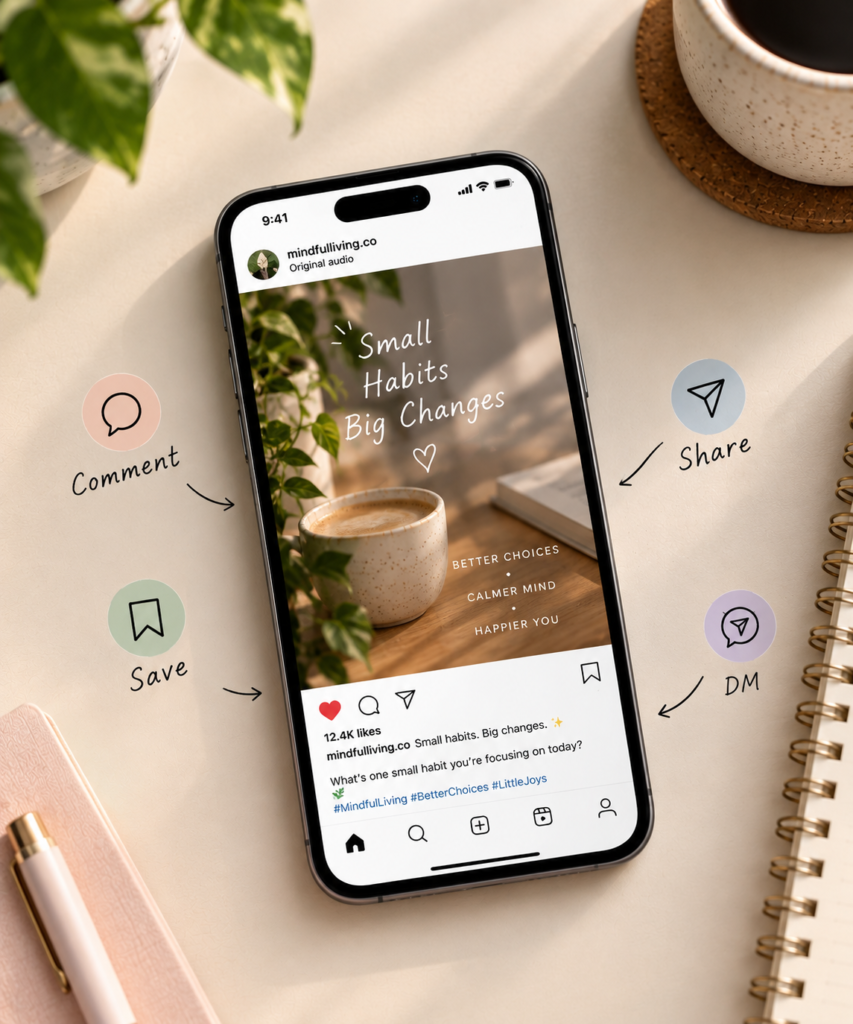
Sometimes content doesn’t perform because there is nothing for the audience to do.
If you want comments, start a conversation.
If you want saves, provide something useful enough to return to.
If you want shares, create something relatable or valuable enough to send to someone else.
If you want clicks, give people a clear reason to visit.
Engagement shouldn’t always be treated as something you hope happens after posting.
It can be intentionally encouraged through the content itself.
You're Expecting Results Too Quickly
Another reason content may feel like it’s “not working” is that you’re judging it too soon. Not every post will perform immediately.
Some content builds reach. Some builds trust. Some teaches your audience what you know. Some simply keeps your brand visible.
Social media growth is rarely the result of one perfect post. It is often the result of many useful pieces of content working together over time. That doesn’t mean you should blindly continue posting content that isn’t performing. It means you should look for patterns.
Which topics get more saves?
Which formats generate conversations?
Which hooks hold attention?
Which posts bring profile visits?
Your analytics can help you understand what your audience is responding to.
Consistency Needs Strategy
Consistency is important.
But strategic consistency is much more powerful than simply posting every day.
You need a balance between showing up regularly and knowing why you’re showing up.
Create content around clear themes.
Understand your audience.
Experiment with different formats.
Improve your hooks.
Study your performance.
Repeat what works.
Change what doesn’t.
And most importantly, give your audience a reason to come back.


What I'm Learning?
Creating content has taught me that posting more doesn’t necessarily mean communicating better.
Sometimes the answer isn’t another post.
Sometimes it’s a better idea.
A clearer message.
A stronger hook.
A more relevant
Or simply a better understanding of who you’re creating for.
The goal isn’t to fill your feed.
The goal is to make every piece of content mean something.
topic.
If you’re posting consistently and still not seeing the results you want, don’t immediately assume you need to post more.
Pause.
Look at your content.
Ask what is working, what isn’t, and most importantly — why.
Because consistency gets you in the game.
But clarity, relevance and strategy are what make people stay.
Don’t just post to stay consistent.
Create with a reason to be remembered.
1. Why isn't my content performing even though I post consistently?
Consistency alone doesn’t guarantee results. Your content also needs a clear purpose, relevant messaging, strong hooks and a good understanding of your target audience.
2. How often should I post on social media?
There is no single ideal posting frequency for every brand or creator. It’s better to maintain a realistic schedule that allows you to consistently create useful, relevant and quality content.
3. Why are my posts getting views but little engagement?
Your content may be getting attention without giving people a reason to interact. Try creating content that encourages saves, shares, comments or conversations instead of focusing only on views.
4. Does following trends guarantee better content performance?
No. Trends can help increase attention, but simply copying them doesn’t guarantee results. A trend works better when it supports your message and is relevant to your audience.
5. How can I create content that my audience actually cares about?
Start by understanding your audience’s interests, problems and needs. Create content that educates, solves a problem, answers a question or gives them something useful or relatable.
6. What should I do if my content isn't working?
Don’t immediately post more. Review your analytics, identify which topics and formats perform better, improve your hooks and messaging, and adjust your strategy based on what your audience responds to.